Building a cigar box guitar kit at home is easier than most people think. You don't need a workshop. You don't need years of woodworking experience. A basic kit costs between $50 and $150.
It comes with pre-cut parts, strings, and hardware. You need a screwdriver, a hammer, and about an hour of free time. I built my first one on a kitchen table. It worked.
The sound surprised me—raw, warm, and full of character. This guide shows you exactly how to build a cigar box guitar and play it, based on real experience and tested kits.
What Comes In a Cigar Box Guitar Kit?
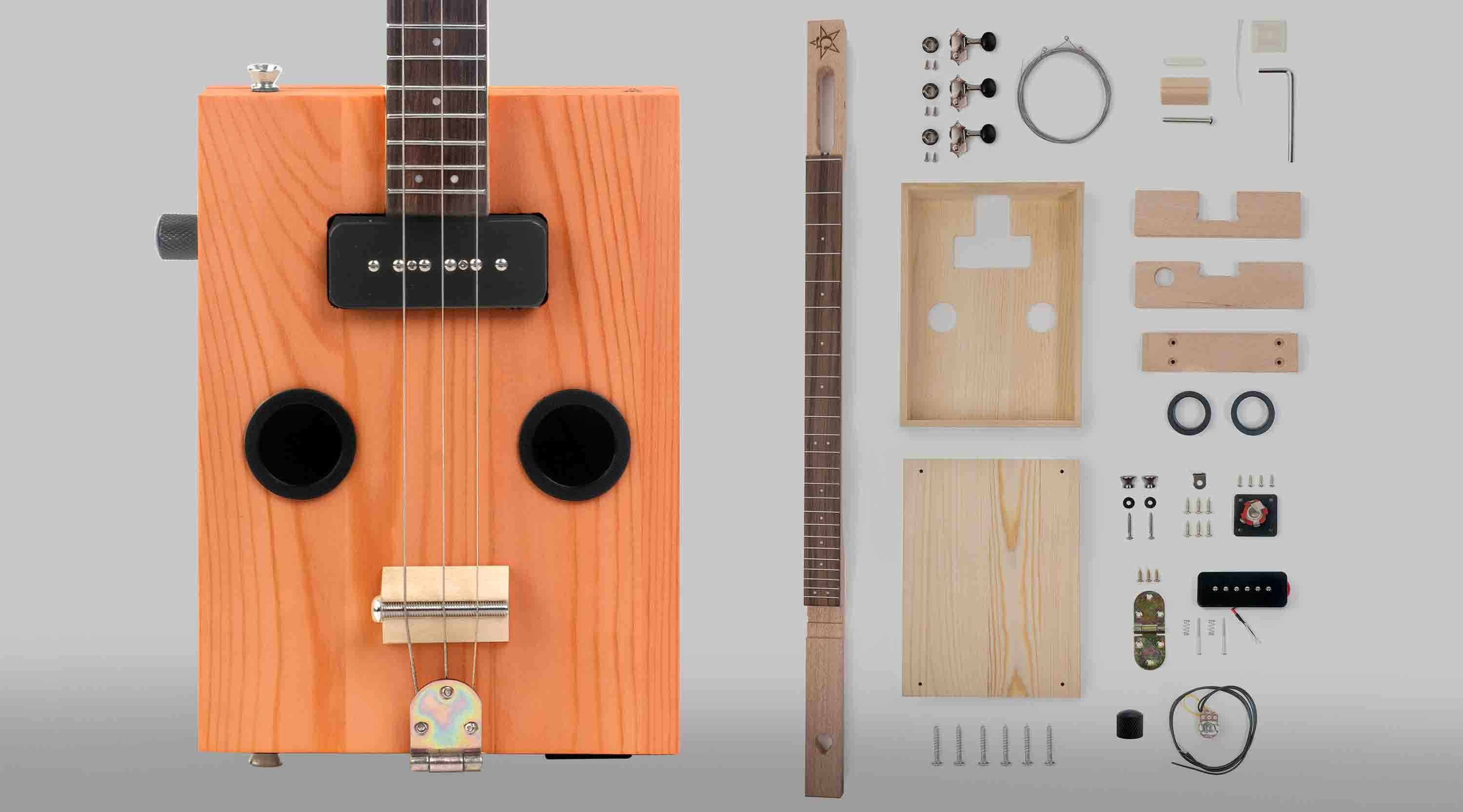
Most beginner kits include the same core parts. You get a cigar box (the body). You get a pre-drilled neck. You get strings made for 3 or 4-string setups. You get tuners, screws, and a bridge. Some kits add a pickup for electric sound.
Read Also: The Ultimate Debate: Who Is the Number 1 Guitarist of All Time?
The Pure & Simple Fretted 3-String DIY Cigar Box Guitar Kit is a good example. It needs only a screwdriver and hammer. Assembly takes about an hour. Everything fits together without cutting or drilling.
Higher-end kits like the MGB "The Iconic" Fuente include a single-coil pickup and a fully machined box. These cost more. But they sound better plugged into an amp.
What basic kits don't include: sandpaper, wood glue, or a slide. You'll want a glass or metal slide for playing. They cost $5–$15.
Choosing Your First Cigar Box Guitar Kit
Not all kits are equal. I learned this the hard way. My first kit had a neck that didn't fit the box properly. The string height was too high. It played out of tune. Here's what to look for:
Fretted vs. fretless neck. Fretted necks are easier for beginners. The frets mark the notes. Fretless necks require a slide to play in tune. They're great for blues but harder to learn on.
Scale length. Most cigar box guitars use a 24–25 inch scale. This matches standard guitar spacing. Shorter scales feel cramped for people with large hands.
You Must Also Like: 5 Easy DIY String Instruments You Can Build with Household Items Tonight
String action. This is the distance between strings and the fretboard. Good kits have low action. High action makes fretting painful and notes go sharp. If a kit doesn't mention action height, check reviews.
Pickup or acoustic? Acoustic kits are quieter. They're fine for practice. Electric kits with a piezo or magnetic pickup let you plug into an amp. For blues and rock sounds, go electric.
Real buyer tip: The Haze X1 Mahogany kit gets solid reviews for its fit and finish. The C. B. Gitty kits are trusted by beginners because they include detailed photo instructions.
How to Build Your Cigar Box Guitar: Step By Step?
Step 1: Let the Wood Acclimate
This matters more than people realize. Wood moves with humidity. If you build right after the kit arrives, the neck might warp later. Ideal conditions are 70–80°F with 45–50% humidity. Let the parts sit in your space for 2–3 days. Flip the wood daily.
Step 2: Check Every Part
Lay out everything. Compare against the parts list. Look for cracks, missing screws, or bent tuners. Contact the seller immediately if something's wrong. Most companies replace parts fast.
Step 3: Attach the Neck to the Box
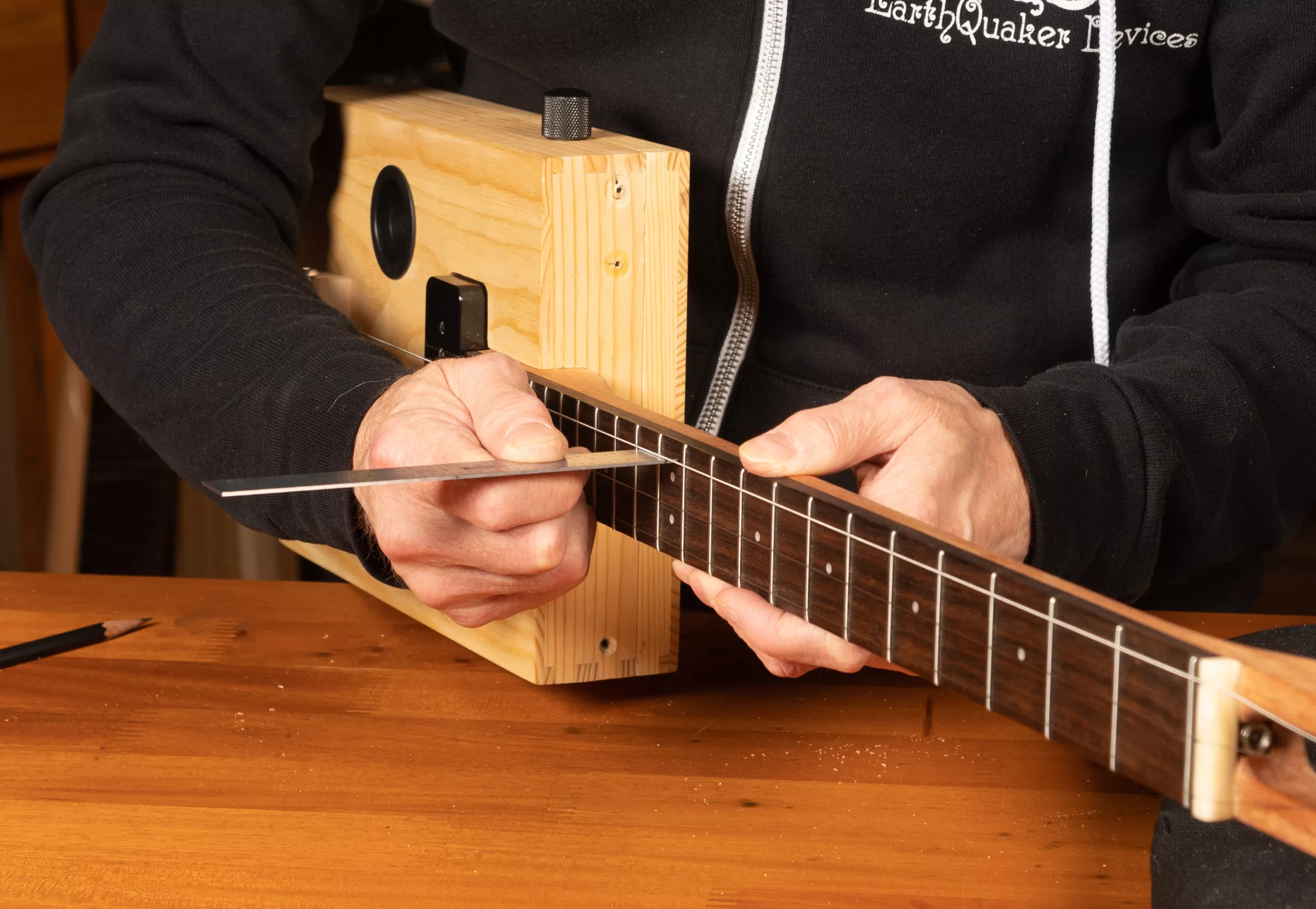
This is the main assembly step. Most kits use screws or bolts. Line up the neck with the box. Pre-drill if needed (some kits already do this). Tighten screws firmly but don't strip the wood. The neck should sit flush against the box top.
Important: The neck angle affects string height. If the neck tilts too far back, strings will buzz. If it tilts too far forward, action gets high. Most kits have this pre-set. Check before tightening everything down.
Step 4: Install the Bridge and Nut
The nut sits at the top of the neck (near the tuners). The bridge sits on the box. Both hold the strings at the right height. Some kits use threaded rods for these. Others use wood or metal pieces.
String slots should be shallow. Deep slots cause buzzing. If slots are too deep, fill them with super glue and re-file.
Step 5: String It Up
Tune slowly. Cigar box guitar strings are lighter than standard guitar strings. Don't over-tighten. Most 3-string kits use GDG tuning (open G). This means:
-
Lowest string: G
-
Middle string: D
-
Highest string: G
This tuning lets you play a major chord by strumming all strings open. Perfect for slide.
Step 6: Test and Adjust
Play each string. Listen for buzzes. Check the 12th fret—the note should match the open string one octave higher. If it's sharp, the bridge needs to move back slightly. If flat, move it forward.
Common mistake: Tightening strings before the glue dries. If you used glue on the nut or bridge, wait 24 hours. Rushing causes parts to shift.
How to Play Your Cigar Box Guitar?
Tuning Basics
Open G (GDG) is the standard. Download a free tuning app on your phone. Tune the lowest string to G, then match the others. For 4-string kits, use DGBD tuning. This adds a high D string for fuller chords.
Slide Technique
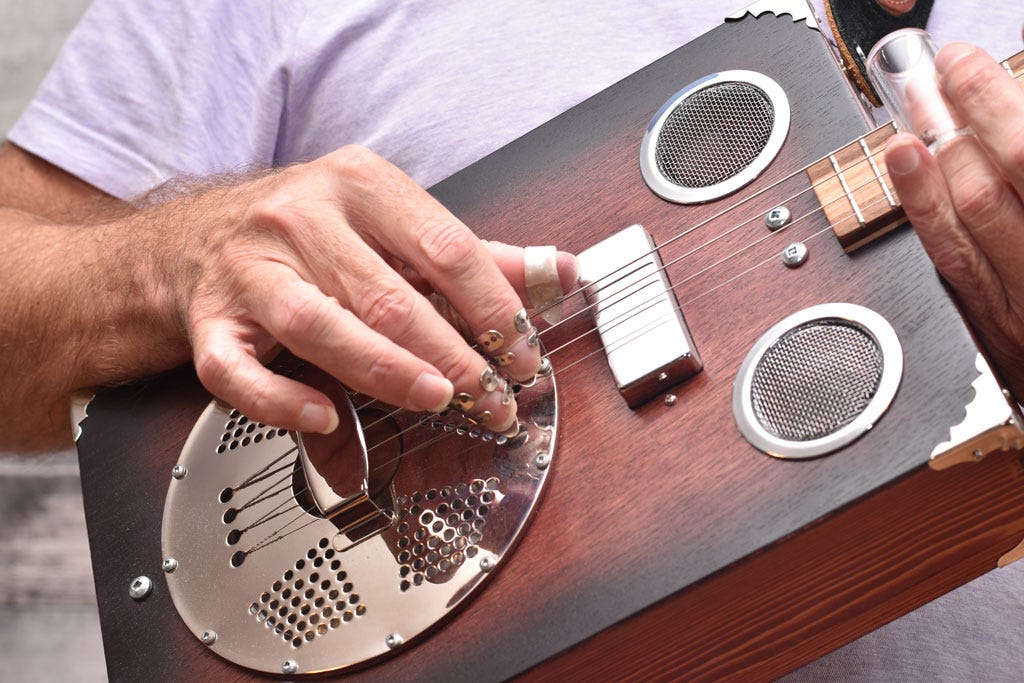
This is the heart of cigar box guitar playing. Put the slide on your ring or pinky finger. Rest it lightly on the strings. Don't press down to the fretboard. Glide it along the neck to change notes.
Beginner exercise: Play the open strings. Slide to the 5th fret. Then to the 7th. Then back to open. That's a I-IV-V progression—the backbone of blues.
Fingerpicking and Strumming
You don't need a slide for every song. Fingerpicking works great on fretted cigar box guitars. Use your thumb for the bass string. Use your index and middle fingers for the higher strings.
Strumming works too. The open tuning means simple strums sound good. Try a slow, steady rhythm. Add palm muting for a percussive feel.
Easy Songs to Learn First
The Cigar Box Guitar Songbook Volume 1 has 45 songs arranged for GDG tuning. Start with "Amazing Grace" or "Oh Susannah." These use simple melodies on one or two strings.
For blues, try a basic 12-bar progression. Play the open chord, then slide to the 5th and 7th frets. Repeat. Add a shuffle rhythm with your picking hand.
Common Problems and How to Fix Them
Strings buzz. This usually means action is too low or a fret is high. Raise the bridge slightly or file the high fret.
Tuning won't hold. New strings stretch. Tune, play for 10 minutes, tune again. Repeat 3–4 times. If tuners slip, tighten the screws on the tuning pegs.
Neck feels rough. Sand it lightly with 320-grit sandpaper. Wipe off dust. Apply a thin coat of tung oil or wipe-on polyurethane.
Pickup doesn't work. Check the solder joints. Re-solder any loose connections. Make sure the ground wire touches the bridge or tailpiece.
Is a Cigar Box Guitar Kit Right for You?
Best for:
-
Beginners who want a cheap, fun first instrument
-
DIY fans who like making things
-
Blues players looking for a raw, unique sound
-
Parents looking for a family project (kids can help with assembly)
Not ideal for:
-
Players who want perfect intonation and easy playability
-
Anyone expecting a standard guitar feel
-
People who don't want to tinker or adjust
The sound is different from a regular guitar. It's thinner, more percussive, and full of character. That's the point. It's not trying to be a Martin or a Fender. It's a cigar box guitar. It sounds like one.
Final Thoughts on Building and Playing
A cigar box guitar kit gives you something rare: a playable instrument you built yourself. The process takes an hour. The skills last forever. My first build wasn't perfect. The strings sat a bit high. The finish looked rough.
But it played. And every kit since has been better. Start with a fretted 3-string kit. Tune it to GDG. Learn three chords. You will be playing blues before dinner.