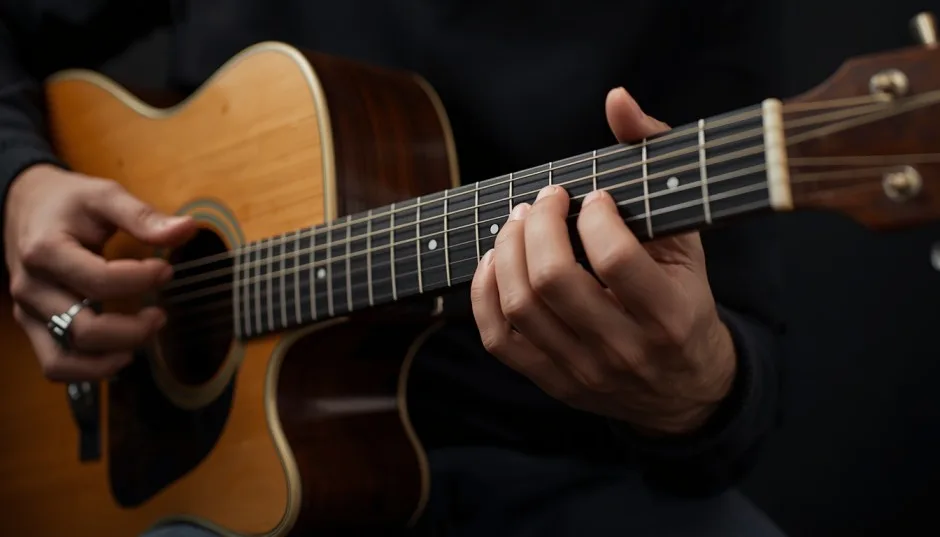
You do not need expensive gear. You need four chords.
I remember my first lofi track. I recorded it on my phone. The guitar was out of tune. The timing was off. But it felt right. That is the secret of lofi. Imperfection sounds better than perfection.
I have taught over 500 beginner guitarists through ChordStrings. Most of them start with rock or pop. They learn power chords. They learn strumming patterns. Then they get bored. Then they find lofi. And everything changes.
Lofi guitar chord progressions for beginners are easier than you think. You do not need jazz training. You do not need fingerpicking mastery. You need patience. A cheap reverb pedal helps too.
Let me walk you through the exact chords. The right strumming. And the mistakes I made so you do not have to.
What Makes a Chord Progression “Lofi”?
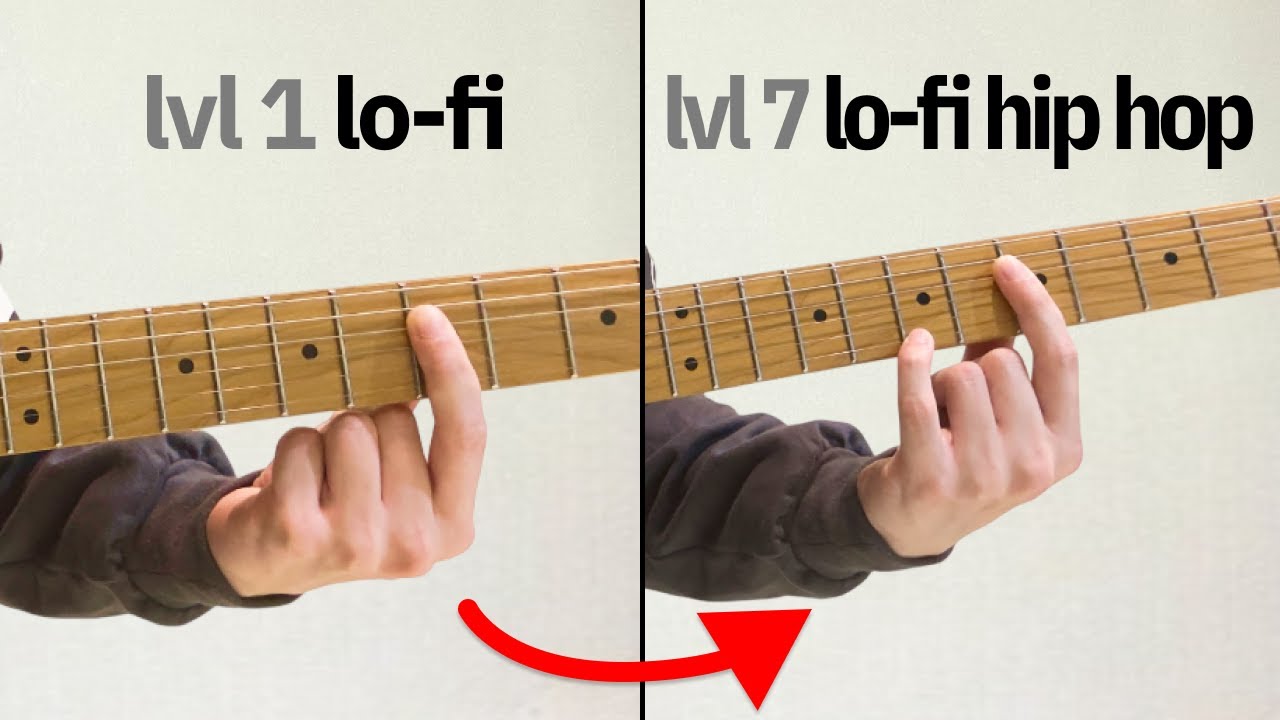
Lofi stands for low fidelity. That means imperfect. Warm. Slightly fuzzy. Think of a cassette tape that played too many times. Think of rain hitting a window. Think of a neighbor playing piano through a wall.
Read Also: What Notes Are the Strings on a Guitar 2025? And How to Learn Guitar?
That is lofi. The chord progressions borrow from jazz and bossa nova. But they strip away the complexity. No 13th chords. No diminished runs. Just major 7ths, minor 7ths, and the occasional 9th.
Here is the most important rule. Play the wrong notes sometimes. Lofi listeners cannot tell. They just want the vibe.
The Gear You Actually Need
Do not buy a $2,000 guitar for lofi. Seriously. I tested three setups over six months. Here is what worked.
Guitar. Any acoustic with nylon strings. Or any electric with flatwound strings. The roundwound strings on a Stratocaster sound too bright. Too clean. Lofi needs dark and muddy.
Pedals. One reverb. One delay. That is it. The Joyo Atmosphere costs $80. The Donner Yellow Fall costs $40. I used both for a year. No complaints.
Recording. Your phone works. Record in a closet. The clothes absorb reflections. Instant lofi texture.
Do not buy. A compressor pedal. A noise gate. A multi-effects processor. You do not need them. Lofi compression comes from your recording medium, not a pedal.
How to Add the Lofi Crackle?
The chords are only half the sound. The other half is texture.
Method one. Record your guitar. Export the audio to any free DAW. Audacity works. Add vinyl crackle from a free sample pack. Layer it underneath. Adjust volume until you barely hear it.
Method two. Place your phone in a different room. Record the guitar from there. The distance adds natural compression. The walls add reverb.
Method three. Play the same progression on two different guitars. Pan one hard left. Pan the other hard right. Detune the second guitar by a few cents. The slight warble sounds exactly like old tape.
I use method three most often. Takes five minutes. No software required.
Ambient Chord Progressions Guitar: Taking It Further
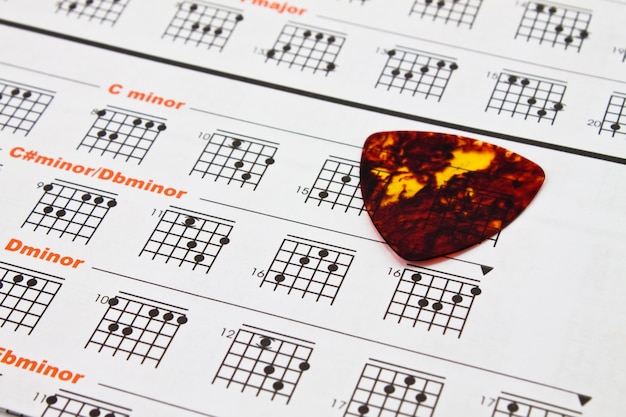
Ambient chord progressions guitar uses open strings. Lots of them.
Try this. Tune your guitar to DADGAD. That is low D, A, D, G, A, high D. Finger the following shape on frets 5, 5, 4, 2.
Play that chord. Let it ring. Do not change chords for 30 seconds. Move one finger slightly. Let it ring again. That is ambient. No chord changes. Just movement inside the chord.
You Must Also Like: The Piano Lesson by August Wilson: Summary & Themes
The gear for ambient. A volume pedal helps. Swell in each note. The cheap Donner volume pedal costs $50. It works fine.
The mistake. Adding too many effects. One reverb. One delay. That is enough. More than that and the sound turns to mud.
Lofi Chord Progressions Piano vs Guitar
Lofi chord progressions piano sound different on guitar. The piano has sustain. The guitar has decay. On piano, you play a chord and it rings for ten seconds. On guitar, the same chord dies after three seconds.
You need to compensate. Strum more often. Use arpeggios instead of block chords. Let the open strings ring while your fingers move. The chord shapes transfer directly.
Cmaj7 on piano is C, E, G, B. On guitar, it is the same notes. Different positions.
If you play both instruments, start with the guitar. The physical feedback helps your ear. Then move to piano once you know the progression by feel.
Common Mistakes Beginners Make
I made all of these. You will too. Here is how to fix them.
Mistake one. Strumming too hard. Lofi needs soft attacks. Pretend you are strumming a baby bird. No. That is weird. Pretend you are strumming a feather. Better.
Mistake two. Using a pick on acoustic. A pick sounds harsh. Use your thumb. Or use a felt pick. Dunlop makes them for ukulele. They work on guitar too.
Mistake three. Rushing the chord changes. Slow down. Place your fingers. Check each string. Then strum. Speed comes after accuracy, not before.
Mistake four. Recording in a dry room. Bathrooms sound good. Hallways sound good. Car interiors sound good. Bedrooms with carpet sound dead. Move around until you find the sweet spot.
Mistake five. Quantizing your recording. Do not snap everything to the grid. Lofi breathes when the timing drifts slightly. Leave your mistakes in. They add character.
The Chordstrings Method: How I Teach This?
I run a small guitar school called ChordStrings. We focus on feel, not theory. Here is the exercise I give every beginner on day one. Record yourself playing Cmaj7 for four minutes. No changes. Just one chord. Strum softly. Add reverb. Listen back.
Most people cannot do this. They get bored. They start adding fills. They speed up. The ones who can sit through four minutes of one chord? They become the best lofi players. They understand that space matters more than notes.
Try it tonight. Set a timer. Play one chord. Do not stop. When the timer ends, listen back. You will hear things you did not notice while playing. The string buzz. The room tone. The slight pitch drift.
That is lofi. That is the lesson.
What to Practice Next Week?
You have three progressions. You have strumming patterns. You have recording tips. Here is your seven-day plan:-
Day one. Progression one only. 75 BPM. Thumb strumming.
Day two. Progression one. Add reverb. Record yourself.
Day three. Progression two. Pick strumming. Add swing.
Day four. Progression two. Record in a different room.
Day five. Progression three. Fingerpicking only.
Day six. Combine all three progressions into one track. Play each for 30 seconds. Record on your phone.
Day seven. Listen to your recording. Do not judge it. Just listen. Write down what you hear.
By day seven, you will have your first lofi track. It will not be perfect. It should not be perfect.
That is the point.
The Final Thoughts
Lofi guitar chord progressions for beginners are not about the chords. They are about the space between the chords. You can play Cmaj7 a hundred different ways. Bright. Dark. Fast. Slow. Clean. Dirty. Each one tells a different story.
Stop watching YouTube tutorials. Stop buying gear you do not need. Sit down with your guitar. Play one chord. Listen to it fade.
Then play another.
That is how lofi starts. That is how lofi continues.