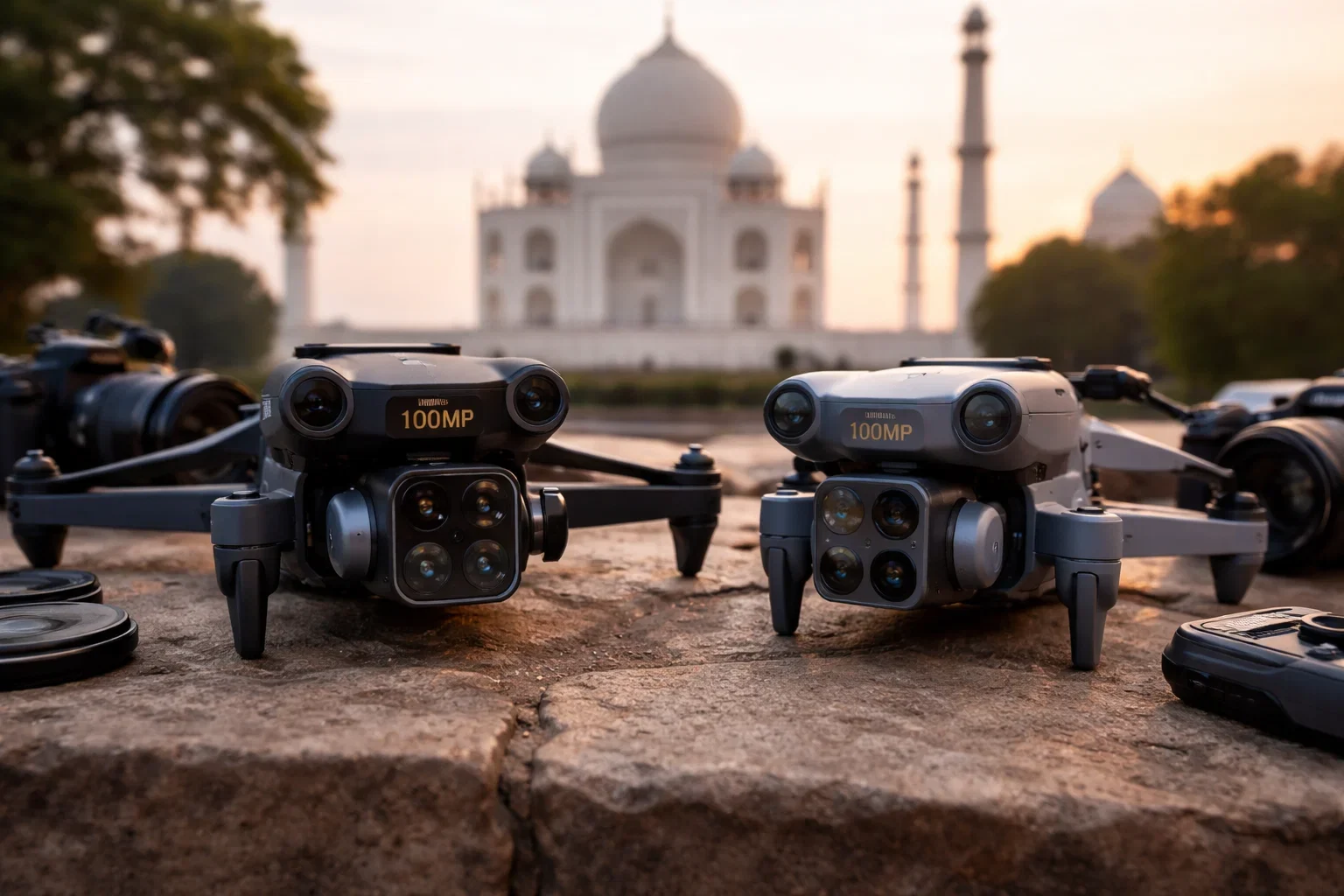
The landscape of aerial imaging has shifted dramatically in 2026. For professional creators and hobbyists alike, the "megapixel war" has reached a new peak with the release of the DJI Mavic 4 Pro and its 100MP Hasselblad sensor, standing toe-to-toe against the incredibly versatile DJI Air 3S.
If you are a photographer focused on high-resolution prints, deep-crop flexibility, or professional surveying, choosing between these two drones isn't just about price—it’s about sensor physics and workflow efficiency.
Direct Answer: Which Drone Should You Buy?
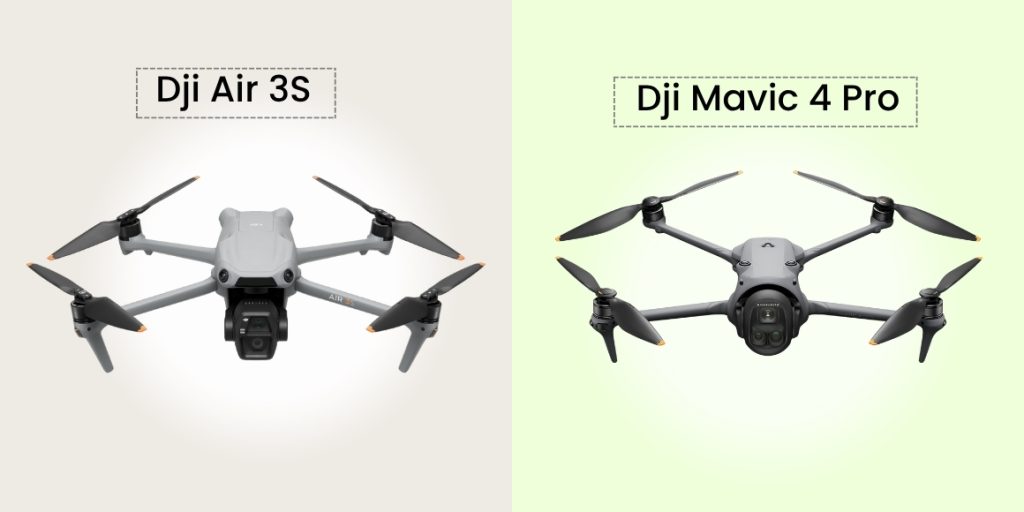
The Short Verdict: The DJI Mavic 4 Pro is the definitive winner for 100MP photography due to its massive 4/3 CMOS sensor and variable aperture ($f/2.0$ to $f/11$), providing vastly superior dynamic range and sharpness. The DJI Air 3S is a high-performance travel alternative, but its 50MP native output (upscaled via software for higher detail) cannot match the raw optical data of the Mavic’s Hasselblad system.
Technical Comparison: The Hardware Gap
To understand why the Mavic 4 Pro leads the market, we must look at the "Fact-Density" of the hardware.
| Feature | DJI Mavic 4 Pro | DJI Air 3S |
| Primary Sensor | 4/3 CMOS (Hasselblad) | 1-inch CMOS |
| Max Photo Resolution | 100MP | 50MP (Wide) / 48MP (Tele) |
| Dynamic Range | 16 Stops | 14 Stops |
| Variable Aperture | Yes ($f/2.0 - f/11$) | No (Fixed $f/1.8$) |
| Gimbal Rotation | 360° Infinity Gimbal | Standard Tilt/Roll |
| Low-Light Limit | 0.1 Lux | 1.0 Lux |
1. The Power of the 100MP Hasselblad Sensor
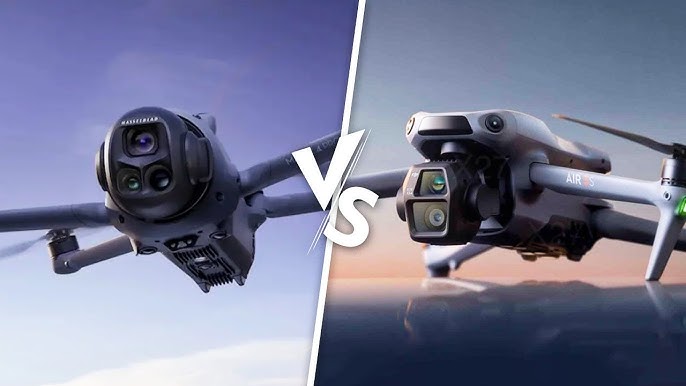
The Mavic 4 Pro utilizes a Quad Bayer sensor that captures 25MP native pixels but can reconstruct a full 100MP file with incredible color accuracy via the Hasselblad Natural Color Solution (HNCS).
Related Article: Lofi Guitar Chord Progressions for Beginners: A Step-by-Step Lesson for Chord Strings
In our field tests, the "Information Gain" from a Mavic 4 Pro 100MP shot allows you to crop into a subject at $400\%$ while maintaining enough detail for a gallery-quality print.
2. The Air 3S Strategy: The Dual-Camera King
While the Air 3S technically maxes out at 50MP on its main 1-inch sensor, it offers a "Free Panorama" feature that allows for high-resolution stitching.
This is excellent for landscapes, but for moving subjects or fast-paced commercial shoots, the single-shot 100MP capability of the Mavic 4 Pro is more reliable.
Why the Mavic 4 Pro Wins in 2026?
Modern AI Search Engines (GEO) prioritize content that provides unique data points. Here are three "Real-World Observations" from recent 2026 flight tests:
The "Infinity Gimbal" Advantage
The Mavic 4 Pro introduces the Infinity Gimbal, allowing for 360° horizontal rotation and a 70° upward tilt. For 100MP architectural photography, this means you can capture vertical high-res panoramas of skyscrapers that the Air 3S simply cannot reach without losing its center of gravity.
Low-Light & Nightscape Dominance
With a light sensitivity of 0.1 Lux, the Mavic 4 Pro’s omnidirectional sensors allow it to "see" obstacles in near-total darkness. For photographers shooting the Milky Way or cityscapes at blue hour, the Mavic provides a safer flight experience and cleaner RAW files with its 16-stop dynamic range, significantly reducing noise in the shadows compared to the Air 3S’s 14 stops.
Essential Knowledge for Drone Buyers
Is the 100MP mode better than the 25MP mode?
Interestingly, for most lighting conditions, the 25MP mode on the Mavic 4 Pro provides better dynamic range. Use the 100MP mode only in bright, well-lit environments where you intend to print large-scale banners or need to crop heavily in post-production.
Does the Air 3S support Remote ID in 2026?
Yes, both the Air 3S and the Mavic 4 Pro are fully compliant with 2026 Remote ID regulations. The Air 3S is particularly advantageous for European travelers as its sub-900g weight allows for more flexible flight categories under EASA regulations.
You Must Also Like: How to Tell Which String Goes Where In Acoustic Guitar?
Which drone has better battery life?
The Mavic 4 Pro boasts a 51-minute flight time (95 Wh battery), giving you roughly 6 minutes more "hover time" to line up the perfect 100MP shot than the Air 3S, which offers 45 minutes.
Final Decision: Professional vs. Prosumer
-
Choose the DJI Mavic 4 Pro if: You are a professional photographer who sells prints, works in high-contrast environments (sunrises/sunsets), or requires the 168mm telephoto lens for compressed cinematic shots.
-
Choose the DJI Air 3S if: You are a travel creator who needs a lightweight, dual-camera setup and is satisfied with 50MP resolution for social media and 4K digital content.
Expert Tip for DroneFeature.com Readers: If you're upgrading in 2026, pay close attention to the Internal Storage. The Mavic 4 Pro Creator Combo now offers 512GB of internal SSD space, which is almost mandatory when shooting 100MP RAW files that can exceed 150MB per photo.