I changed my acoustic guitar strings for the first time ten years ago. I walked into the shop. Grabbed the cheapest pack. Slapped them on.
The sound that came out was thin. Tinny. Lifeless. My guitar went from sounding warm to sounding like a cheap toy.
I have learned a lot since then. I have tried coated strings. Uncoated strings. Phosphor bronze. 80/20 bronze. Light gauges. Medium gauges. I have made every mistake possible.
Here is what I actually learned.
What Are the Best Guitar Strings for An Acoustic Guitar?
Three Things That Matter Most
When you stand in the string aisle, overwhelmed by the options, focus on three things.
Read Also: The New Gold Standard: 2026 Hybrid Digital Piano Reviews And MIDI 2.0 Integration
Material. Gauge. Coating.
Get one wrong, your guitar never sounds right. Get all three right, you will wonder why you ever played anything else.
Material Changes Your Tone
The material of your strings is the biggest factor in your sound.
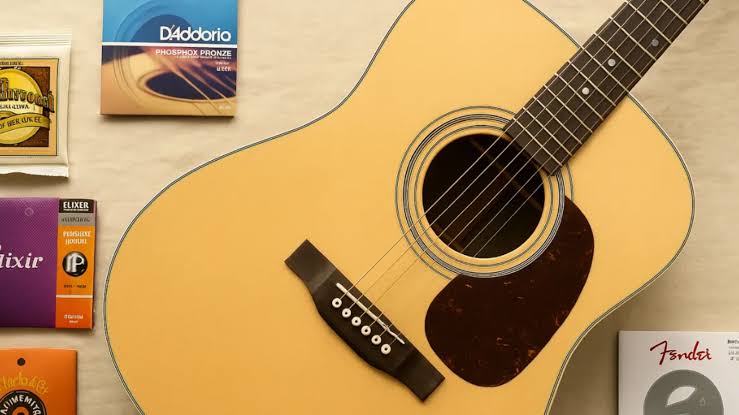
Phosphor Bronze
This is the most popular choice. Phosphor bronze strings give you a warm, balanced sound with rich overtones. They work for almost every playing style. They are the safe bet.
I use phosphor bronze on my main guitar. They make it sound full and round. Fingerpicking sounds articulate. Strumming sounds powerful.
80/20 Bronze
These strings are brighter. More articulate. They cut through a mix better. Great for recording or live performance.
But they lose their brightness faster. Two weeks in, they sound dull. I tried them once. Loved the initial sound. Hated the longevity.
Nickel Bronze
D'Addario makes these. They do not color your guitar's tone. They highlight the natural sound of your instrument. Clean. Unhyped.
I have not tried them yet. But I have heard good things.
Monel
Martin makes Monel strings. Vintage-inspired sound. Warmer and darker than bronze. Work well on older-style guitars.
I tried them on a parlor guitar once. Mellow. Woody. Perfect for blues and folk. What Are the Best Guitar Strings for An Acoustic Guitar?
Gauge Changes How They Feel?
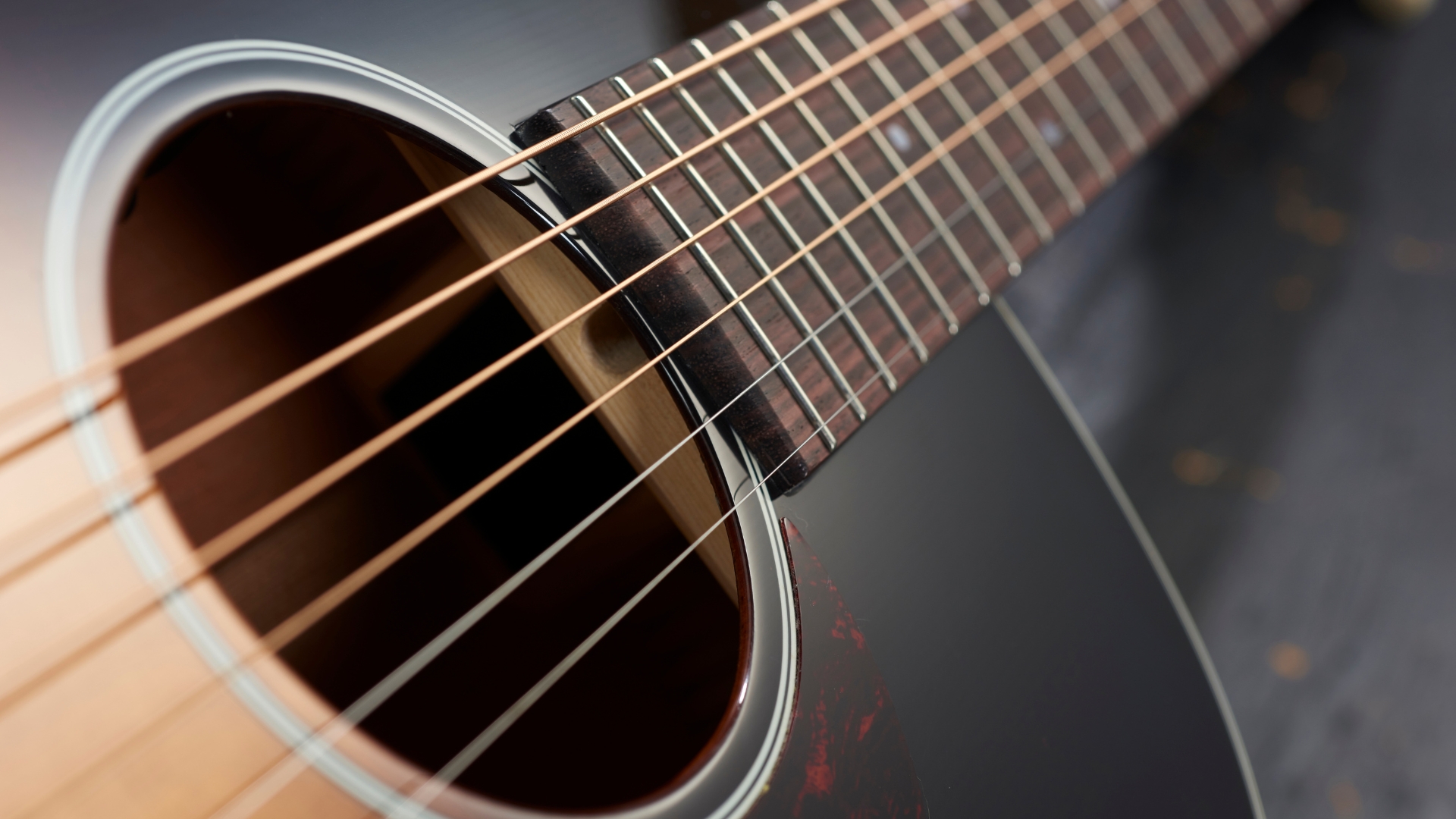
Gauge is the thickness of your strings. The most common set is .012-.053 for light gauge.
You Must Also Like: Easy Guitar Chords Songs: 8 Simple Songs for Beginners
Extra Light (.010-.047)
Easiest to press down. Ideal for beginners. Bending notes is easy. Finger fatigue is minimal.
But they sound thinner. Less projection. Less volume.
Light (.011-.052 or .012-.053)
The sweet spot. Light gauge balances playability and tone. Comfortable to play but still sound full and rich. Most players end up here.
Medium (.013-.056)
Thicker strings. More volume. Fuller tone. Work well for heavy strumming or drop tunings.
Harder to press down. Require more hand strength. I tried mediums once. My fingers hurt for a week.
A Word of Caution
Do not put heavy strings on a guitar not built for them. Heavy strings create too much tension. They can damage the top of your guitar. Stick with extra light through medium gauges.
Coated vs. Uncoated
The debate never ends.
Coated Strings
Coated strings have a thin layer that protects against corrosion. They last much longer. They resist sweat, oil, and grime. They keep their tone for weeks or even months.
Elixir is the leader. Their Nanoweb coating is thin and smooth. It reduces finger squeak. Great for recording.
But coated strings cost more. Some players say they feel slick or synthetic.
I used Elixirs for years. Sounded great. Lasted forever. But I eventually switched back. Missed the raw feel.
Uncoated Strings
Uncoated strings have a naked, immediate brightness. They sound more open and complex. They are cheaper. But they die fast. Finger oils kill them. Sweat kills them. Humidity kills them. You will change them more often.
D'Addario EJ16 is the classic uncoated string. Most trusted default choice in the acoustic world. Walk into an open mic, someone on stage is probably playing these.
I use uncoated strings now. Change them every two to three weeks. Hassle, but I love the sound.
My Top Recommended Electric Guitar Strings
Based on everything I have learned, here are the best strings for different situations.
Best Overall: Elixir Nanoweb Phosphor Bronze
Last forever. Sound great. Reduce finger squeak. Safest choice for most players.
-
Pros: Long life, consistent tone, reduced squeak
-
Cons: More expensive, slightly slick feel
-
Best for: Players who hate changing strings
Best Value: D'Addario EJ16 Phosphor Bronze
The gold standard. Warm and balanced. Lets your guitar speak for itself. Cheap.
-
Pros: Great tone, low price, widely available
-
Cons: Uncoated, so they die faster
-
Best for: Players who want classic tone without breaking the bank
Best Coated with Natural Feel: D'Addario XS Phosphor Bronze
Thin coating that does not feel like plastic. Last long but still feel like uncoated strings.
-
Pros: Long life, natural feel, good tuning stability
-
Cons: More expensive than EJ16
-
Best for: Players who want coated longevity without the slick feel
Best for Beginners: D'Addario EJ15 Extra Light
Lightest acoustic strings D'Addario makes. Easy to press down. Reduce finger fatigue. Great starting point.
-
Pros: Easy to play, comfortable, soft tone
-
Cons: Thinner sound, less projection
-
Best for: Beginners or players with weak hands
Best Budget: Martin M140 80/20 Bronze
Cheap and sound great. One of the most popular budget options. Bright, clear tone.
-
Pros: Very affordable, bright sound
-
Cons: Uncoated, shorter life
-
Best for: Players on a tight budget
What I Use Now?
After years of experimenting, I settled on D'Addario EJ16 Phosphor Bronze. Warm and balanced. Lets my guitar's natural tone shine through. Cheap enough that I do not mind changing them often.
Change them every two to three weeks. Small price for great tone.
I keep a pack of Elixir Nanowebs in my case for traveling. Away from home, I put on the Elixirs. Last through the whole trip without going dead.
When to Change Your Strings
There is no hard rule. But here are the signs.
Your strings sound dull. Lost their brightness. Do not ring out clearly.
They feel rough or grimy. You can feel the gunk on the strings.
They do not stay in tune. Slip or go flat quickly.
You cannot remember when you last changed them. If you have to think about it, it is probably time.
The Final Thoughts
Choosing acoustic guitar strings is not complicated. Start with light gauge phosphor bronze. Safest bet. Try D'Addario EJ16 or Elixir Nanoweb. See which you prefer.
If you are a beginner, start with extra light strings. Easier on your fingers. Move up to light gauge when you build strength.
If you hate changing strings, get coated strings. Last longer. If you chase the purest tone, get uncoated strings. Change them often.
I have been playing for over a decade. Tried dozens of string sets. The EJ16 is still my go-to. It just works.